

Quantum will replace all computing, especially those used for AI- However, Quantum costs aren't all equal
Compare how different quantum platforms stack up on infrastructure, operating expenses, and long-term scalability.

How quantum platforms compare in cost and capability
Each quantum platform operates differently, with distinct infrastructure requirements, operating environments, and cost structures per qubit.
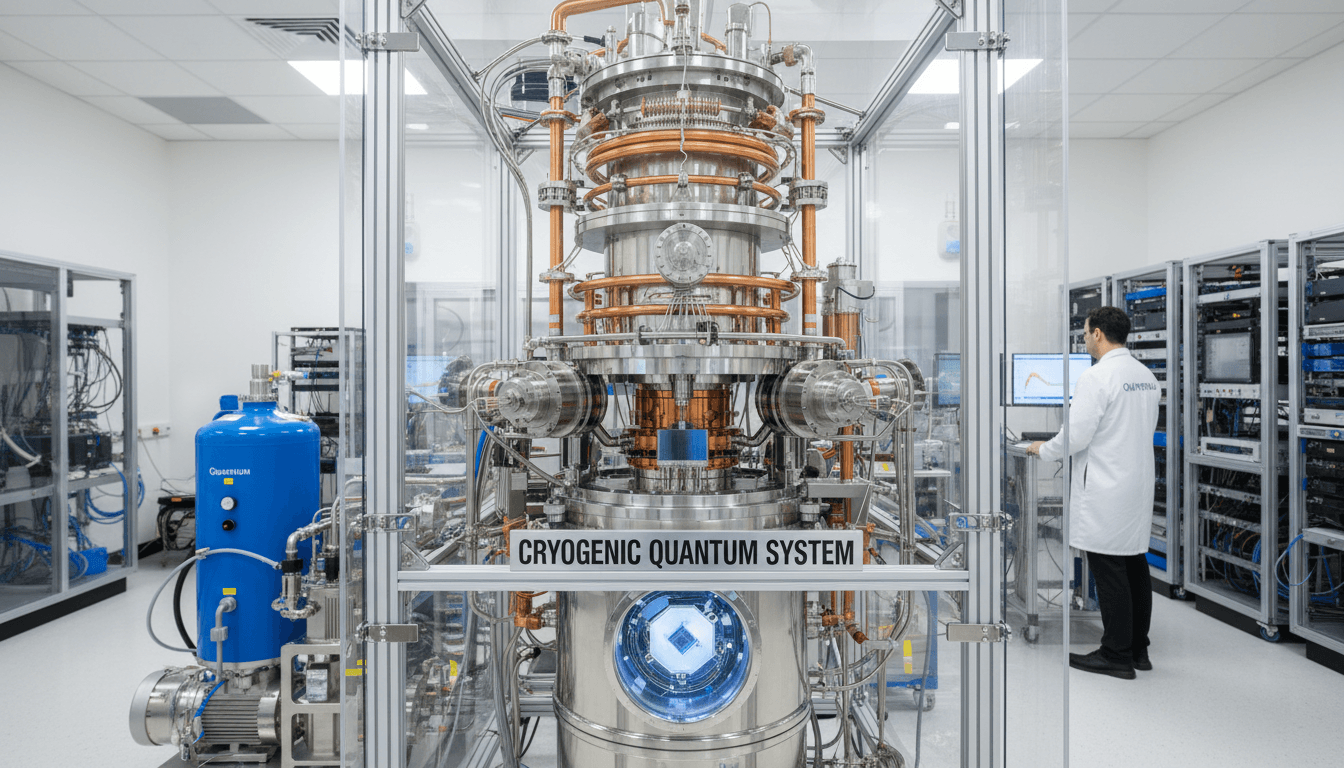
Superconducting qubits
Requires dilution refrigerators operating near absolute zero. High infrastructure costs and complex maintenance limit scalability and accessibility.
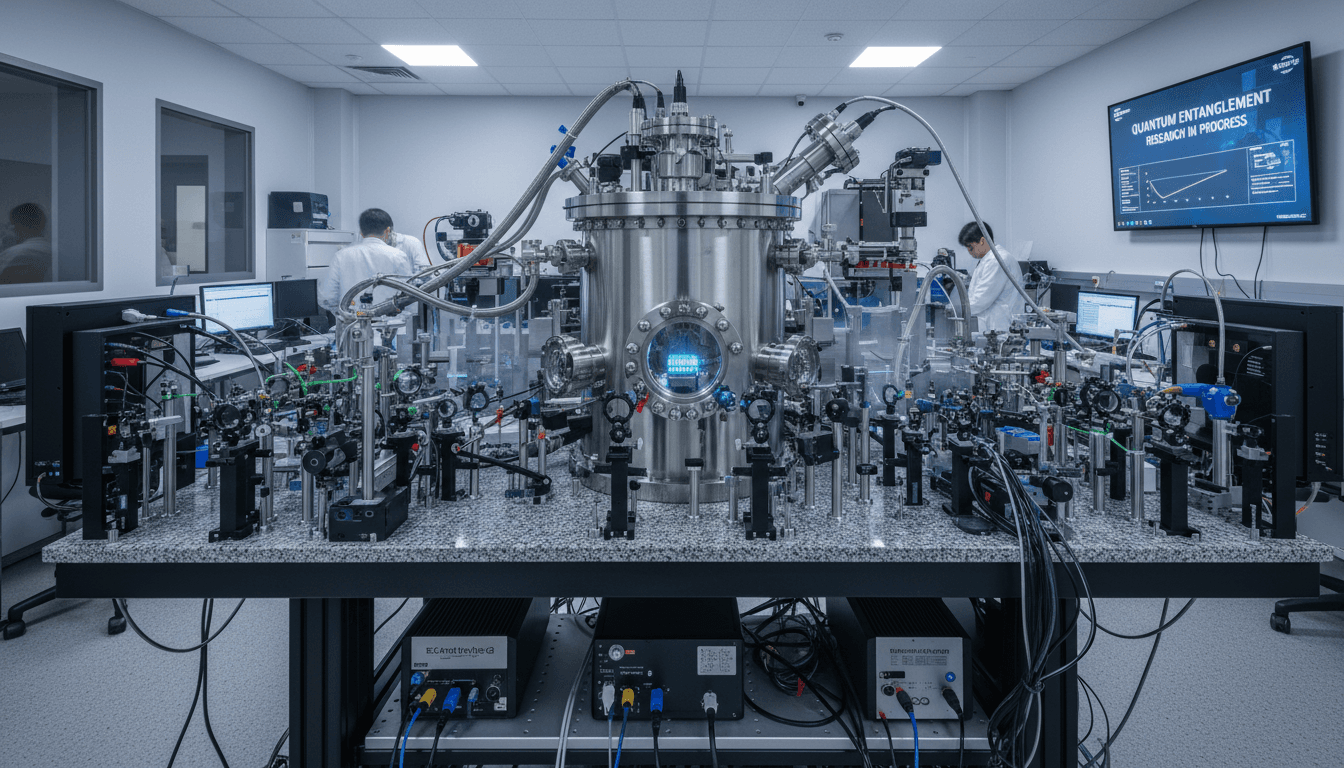
Trapped ion systems
Uses electromagnetic fields to isolate individual ions. Demands precise laser systems and vacuum chambers, creating significant operational overhead.
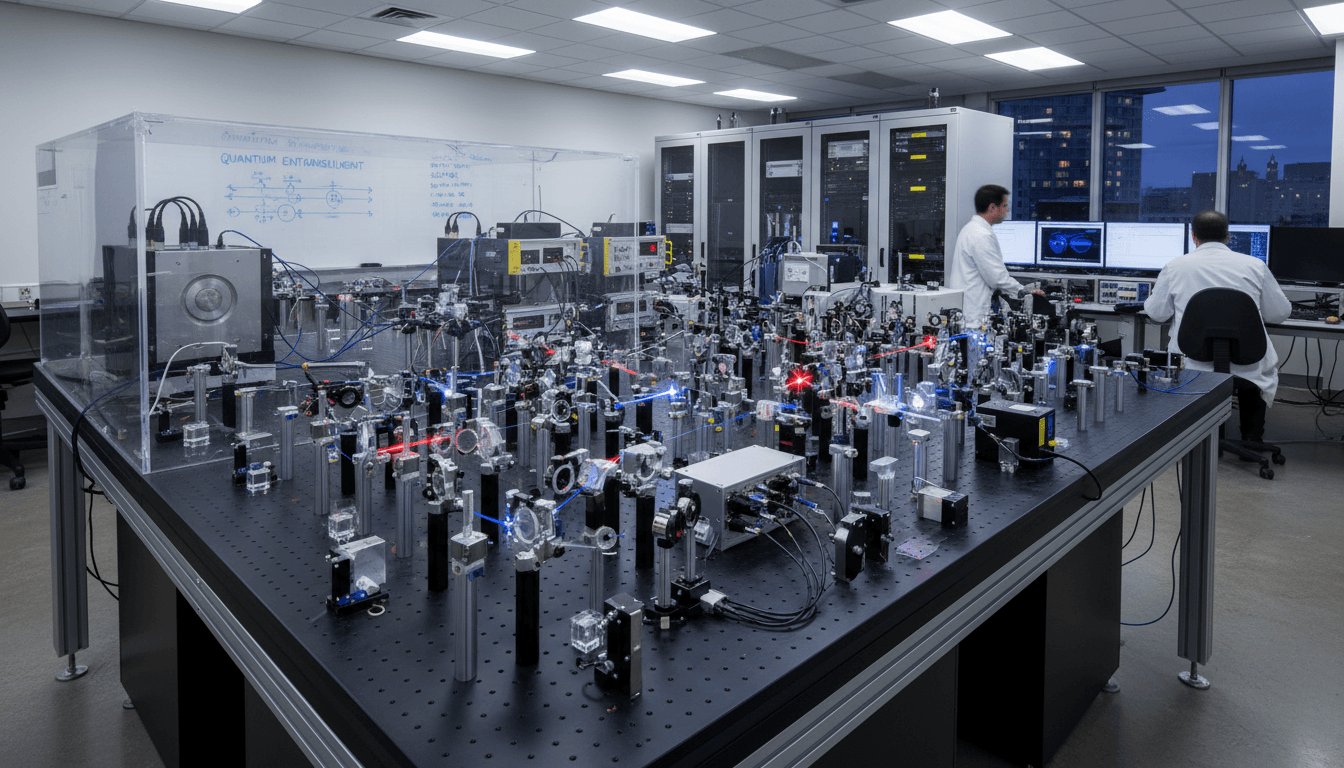
Photonic platforms
Relies on photons and optical components. Requires controlled photon generation and detection, with engineering complexity in maintaining coherence.

Room-temperature quantum
PolariQon's platform operates without extreme cooling or specialized laboratory equipment. Dramatically reduces infrastructure and operational costs per qubit.
How quantum platform costs stack up
See the operational expense reality for each quantum technology. PolariQon's room-temperature approach changes the cost equation fundamentally.
$10M+
Superconducting systems
Initial infrastructure costs including dilution refrigeration and cryogenic maintenance exceed $10 million.
$5M+
Trapped ion platforms
Specialized laser systems and ultra-high vacuum chambers require substantial capital investment and ongoing operational costs.
$3M+
Photonic systems
Complex optical components and alignment infrastructure drive significant upfront deployment expenses.
Upto 3 orders of magnitude lower
PolariQon's cost advantage
Room-temperature operation eliminates cryogenic infrastructure, reducing deployment costs by an order of magnitude compared to alternatives.
Room-temperature quantum at enterprise scale
PolariQon's platform eliminates the extreme cooling infrastructure required by superconducting and trapped-ion systems. Deploy quantum capabilities where you need them, with projected cost advantages and faster path to large-scale availability.